Bar Ikigai Home

Category

Drinking Culture

13 articles

The Pour That Isn’t Yours: A Japanese Habit That Slows the Whole Table

The Pour That Isn’t Yours: A Japanese Habit That Slows the Whole Table

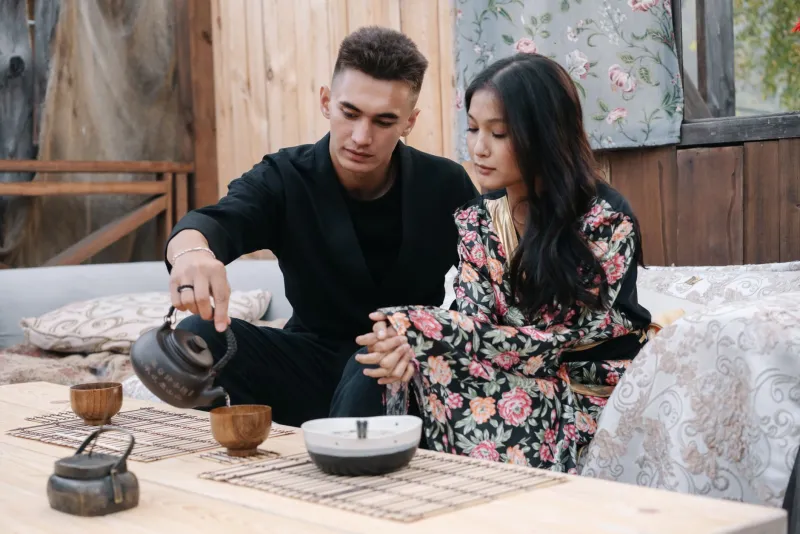
In Japan, you rarely top up your own glass. Oshaku — pouring for others — turns a drink into a small act of attention, and it quietly changes the pace of an evening. Here’s what that habit could offer a British night out that sometimes mistakes speed for generosity.
Silence Is a Service: What a Quiet Bar Does for Your Night

Silence Is a Service: What a Quiet Bar Does for Your Night

A loud room is easy to mistake for a lively one. But the best Japanese-inspired bars treat volume as part of the hospitality — tuning the music, the chatter and the clatter so that conversation, small plates and cocktails can actually be noticed. Here's why a quieter room makes for a better night out.

Start Long, Finish Strong: The Case for a Modest First Pour

Start Long, Finish Strong: The Case for a Modest First Pour

Most UK bar menus push you towards a signature cocktail before you have even taken your coat off. A long, cold, low-strength opener — highball, beer, something sparkling — is not a lack of ambition. It is the pacing that makes the rest of the night work.

The Slow Shake: What You Lose When a Bar Batches for Speed

The Slow Shake: What You Lose When a Bar Batches for Speed

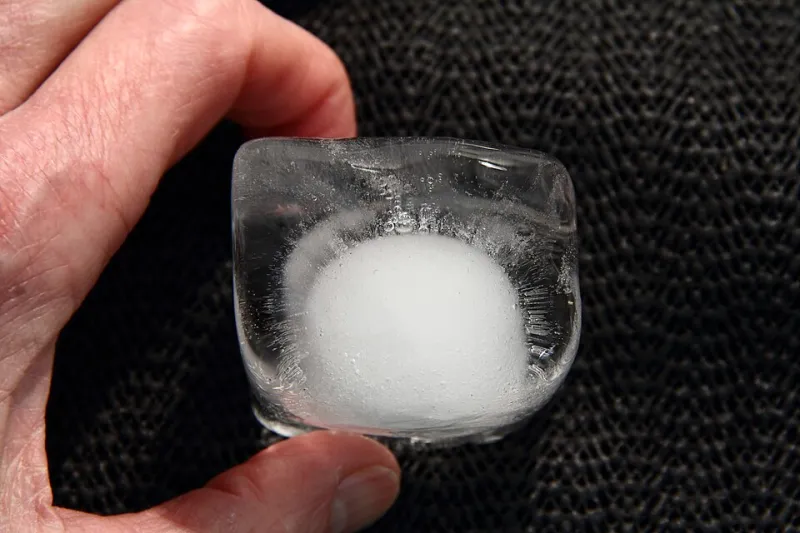
In a growing number of Japanese bars, every cocktail is built from scratch the moment you order it — fresh ice, measured pour, one deliberate shake. It sounds inefficient. It tastes like the opposite. Here's why one-at-a-time service quietly lifts the whole room, and what a busy UK bar gives up when it pre-batches for the queue.

No Asterisk Needed: Why Alcohol-Free Cocktails Belong on the Main Menu

No Asterisk Needed: Why Alcohol-Free Cocktails Belong on the Main Menu

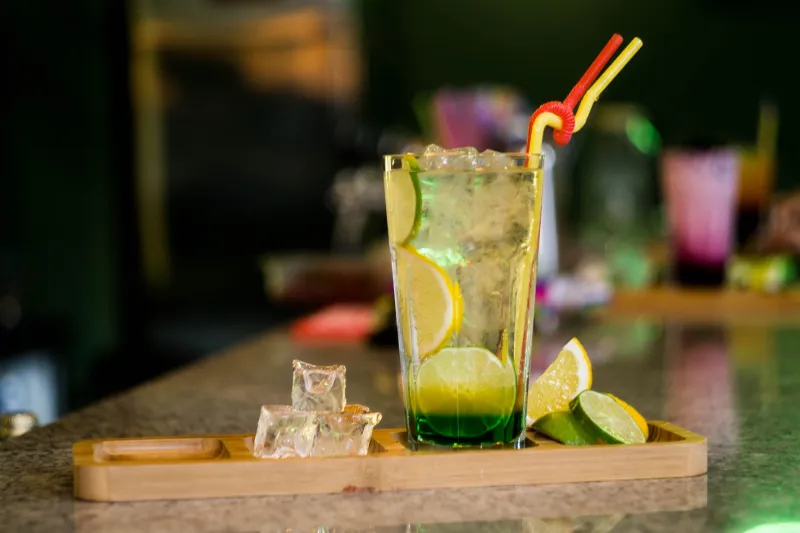
Too many UK bars still file alcohol-free drinks under an apologetic little heading and serve them with half the care. A Japanese-inspired bar should know better: the same ice, glassware, garnish and pacing can make a zero-proof highball or citrus aperitif feel like a deliberate choice, not a consolation prize. This is the case for putting it on the main menu, all year round.

Order Small, Stay Long: The Quiet Arithmetic of a Better Night Out

Order Small, Stay Long: The Quiet Arithmetic of a Better Night Out

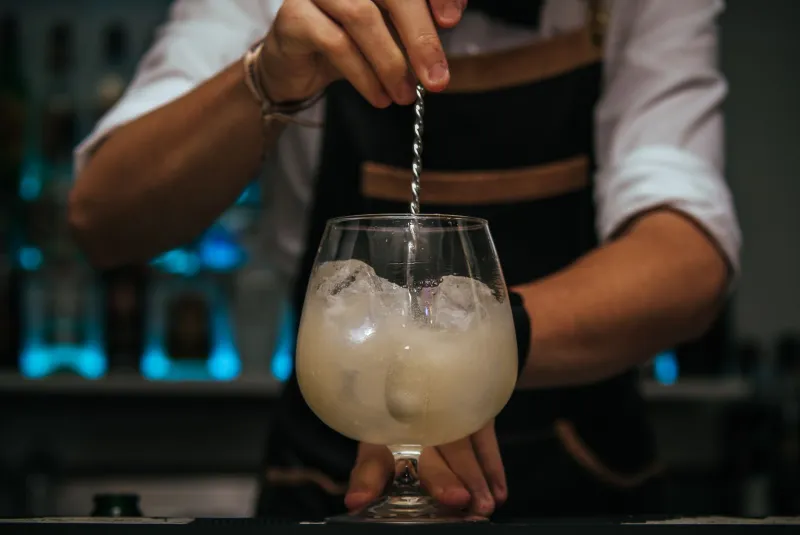
A giant cocktail can feel like a commitment rather than a treat, and the night often bends around it. The Japanese habit of the short highball offers a different way to pace an evening — one that keeps the first sip special, the small plates coming, and the last train comfortably in sight.

Lean, Sip, Leave: The Quiet Genius of the Standing Bar

Lean, Sip, Leave: The Quiet Genius of the Standing Bar

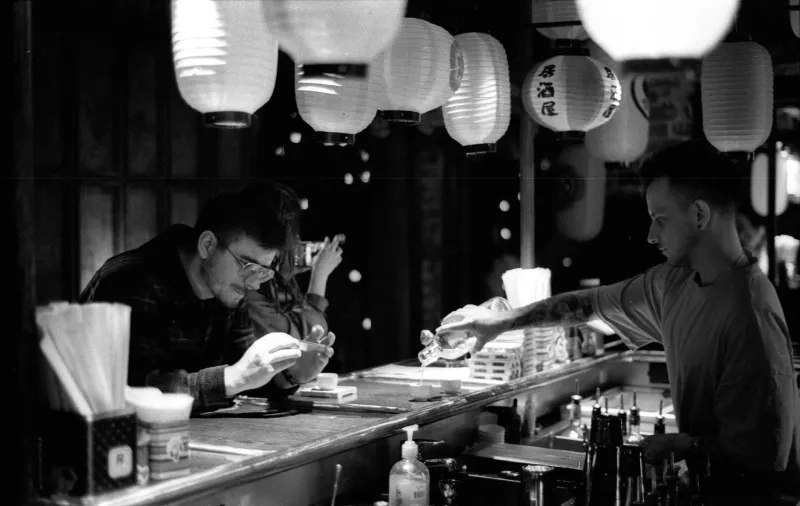
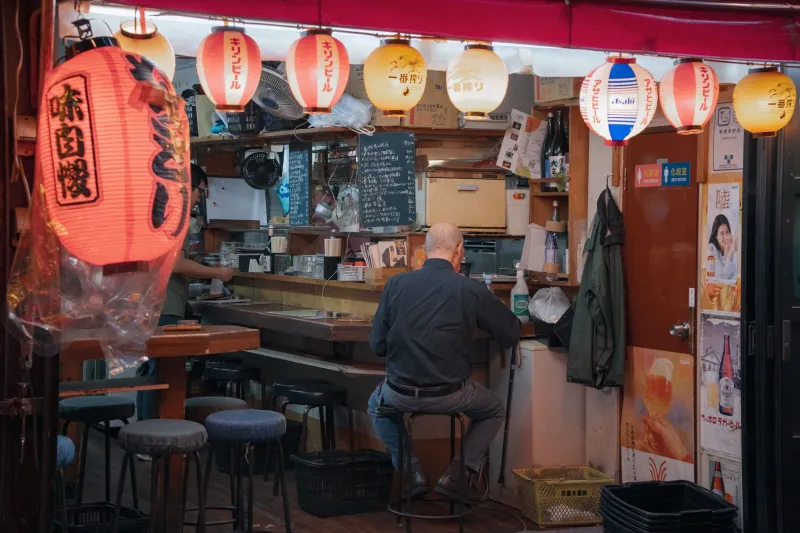
The tachinomi is Japan’s answer to the overplanned night out: a standing bar where a drink, a small plate and a quick chat are the whole point. Here’s why the format travels well to the UK in 2026 — and how bars can borrow it without turning it into a theme-park gimmick.

The Full Stop: How Shime Decides What You Remember

The Full Stop: How Shime Decides What You Remember

British nights often end with a kebab, a taxi and a vague sense of regret. Japanese drinking culture has a better idea: shime, the closing dish that gives the evening a full stop. We talk to chefs and bartenders about why the last plate matters as much as the first.